
EPDM

Ideal for long-term durability and climate flexibility.
EPDM (ethylene propylene diene monomer) is a proven single-ply roofing system known for its flexibility and long service life. Its rubber-based composition performs across a wide range of temperatures, retaining flexibility in extreme cold and expanding and contracting without compromising integrity. EPDM is often the right choice for large low-slope roofs and industrial facilities where long-term durability and low lifecycle cost are top priorities.
-
Large low-slope or flat roof areas
-
Buildings exposed to temperature extremes
-
Properties prioritizing long service life
-
Structures requiring flexible membrane performance
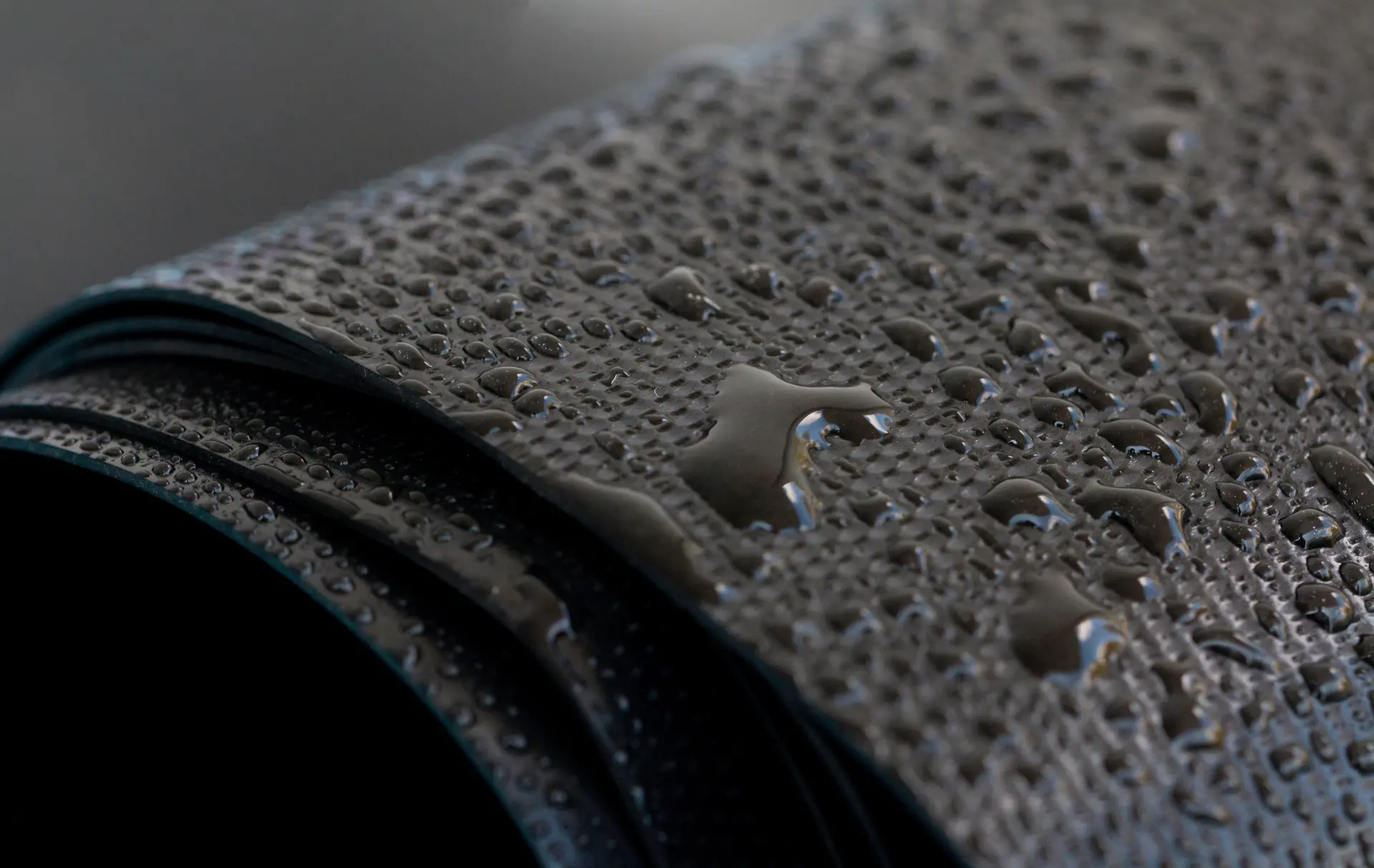
Proven. Resilient. Cost-Effective.
EPDM membranes are trusted for their durability and consistent performance across a wide range of environments.
-
Excellent flexibility in extreme temperatures
-
Strong resistance to UV and weathering
-
Performs well on large-span low-slope roofs
-
Durable rubber membrane with long service life
Professional installation for lasting performance.
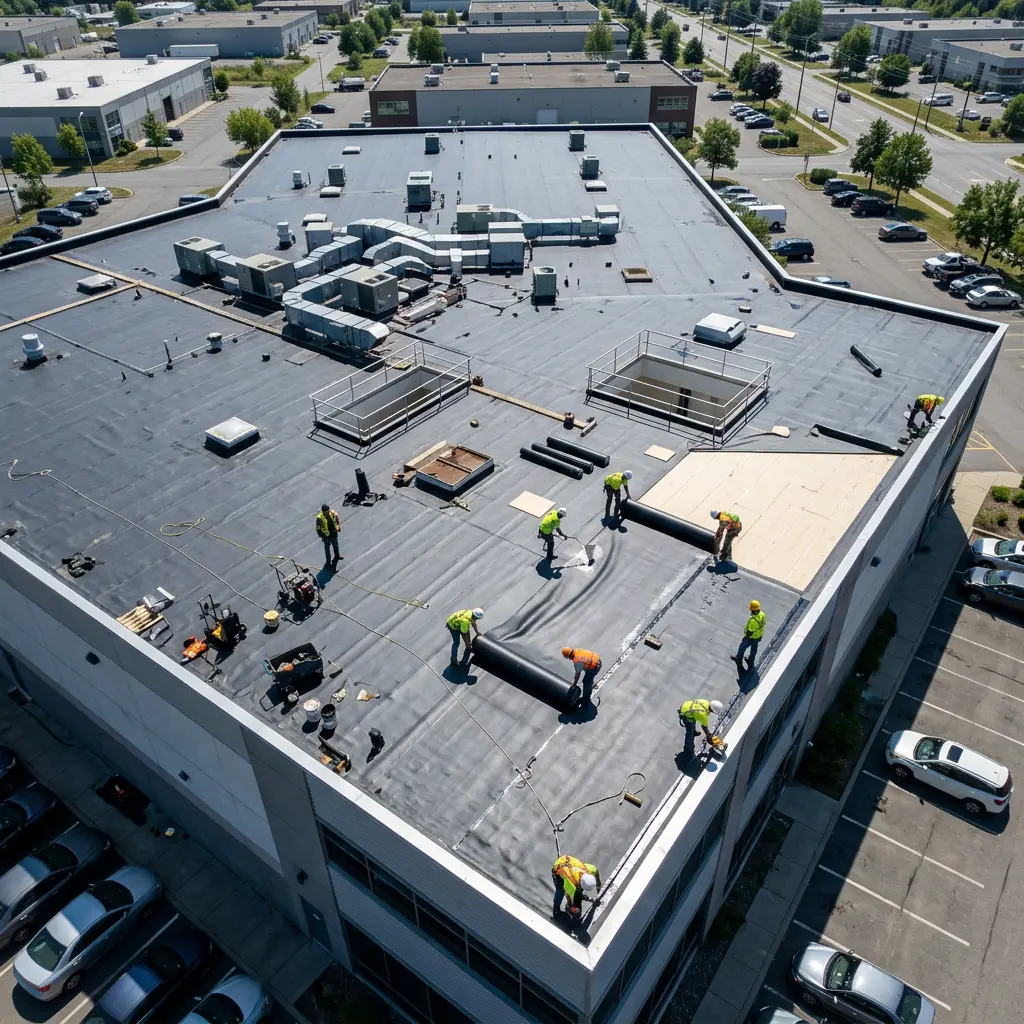
EPDM installation follows a precise process to ensure watertight performance and long-term durability.
EPDM (ethylene propylene diene monomer) is a durable rubber roofing membrane used on low-slope commercial buildings. It is typically black and known for flexibility and weather resistance.
EPDM roofs can last 25–35 years when properly installed and maintained. Longevity depends on membrane thickness and environmental exposure.
Both systems have advantages. EPDM is known for flexibility and durability in colder climates, while TPO offers reflective energy efficiency. The best choice depends on building needs and climate.
EPDM membranes are typically mechanically fastened, ballasted, or fully adhered to the roof deck. Seam integrity is critical for long-term performance.
EPDM Roofing FAQs
What is EPDM roofing?
EPDM is a durable synthetic rubber single-ply membrane, valued for its flexibility in extreme temperatures and long service life on low-slope commercial roofs.
How long does an EPDM roof last?
A well-installed EPDM roof commonly lasts 25 to 35 years with proper maintenance. Its rubber composition handles Texas heat and large temperature swings well.
EPDM vs. TPO — which is better?
EPDM (typically black) is extremely durable and flexible across temperature swings; TPO (white) is heat-reflective and more energy-efficient in hot climates. We'll match the membrane to your building and your energy goals.
.webp)