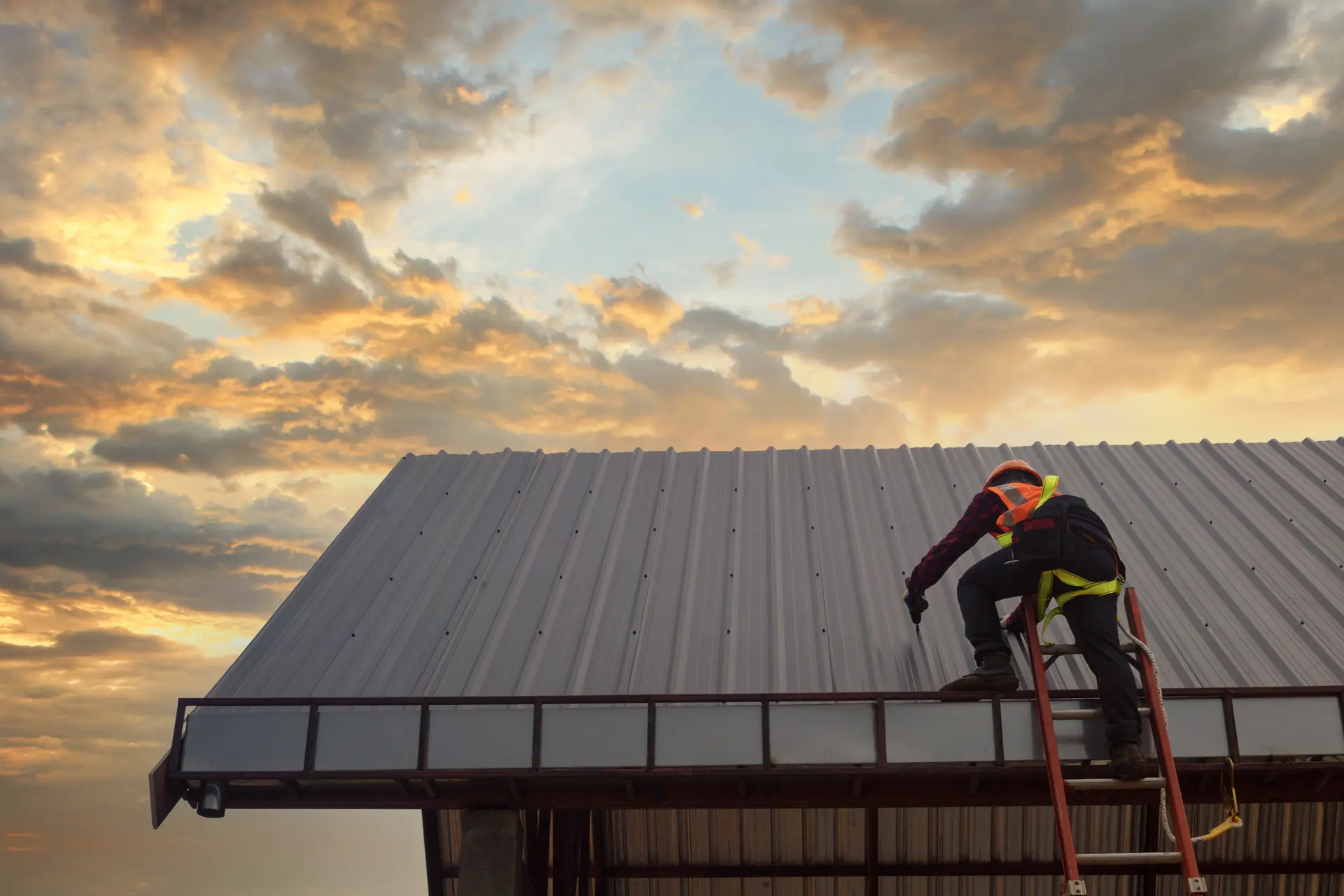
Restore. Reinforce. Extend.
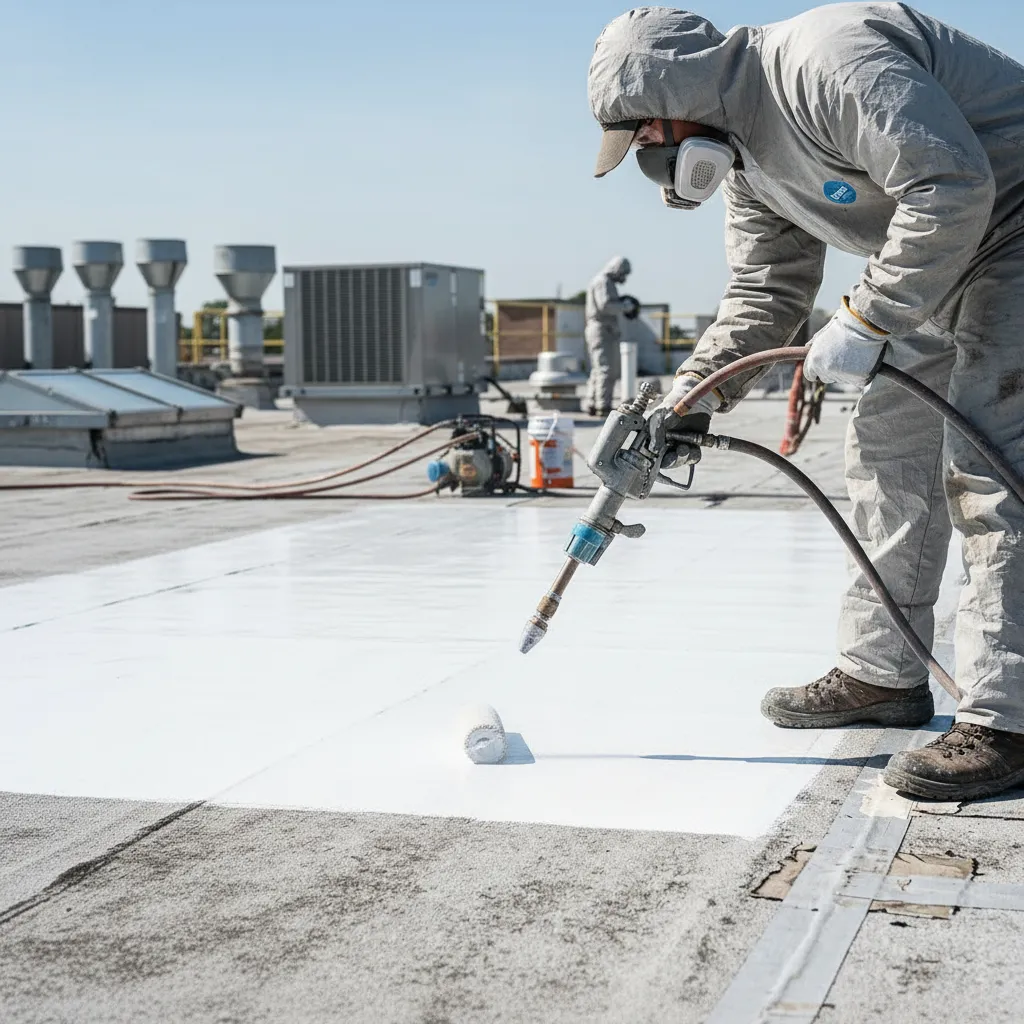
Restoration is a strategic investment.
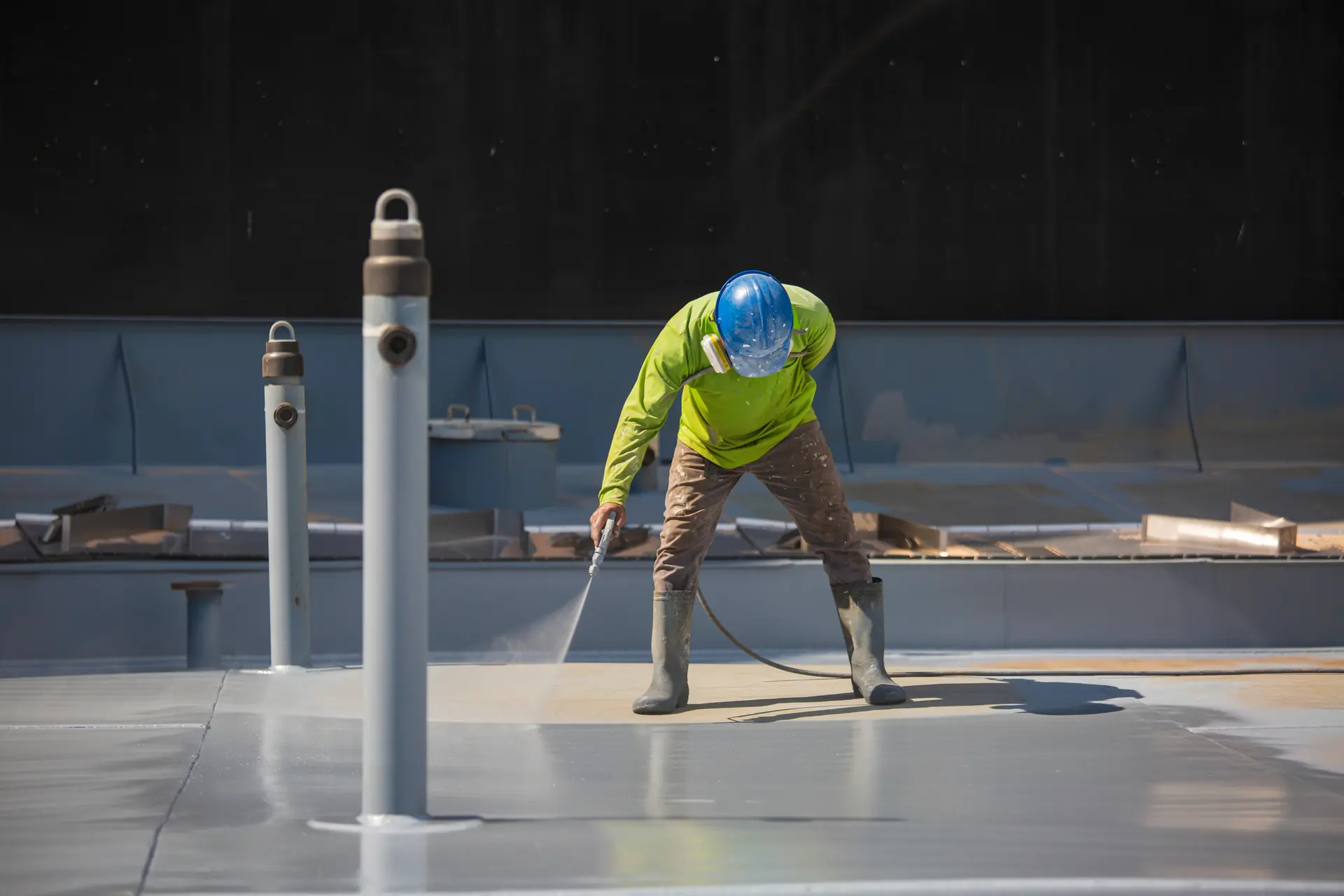
Roof restoration today is not a temporary patch or short-term fix. It’s a strategic upgrade designed to reinforce your existing system, improve performance, and extend service life significantly.
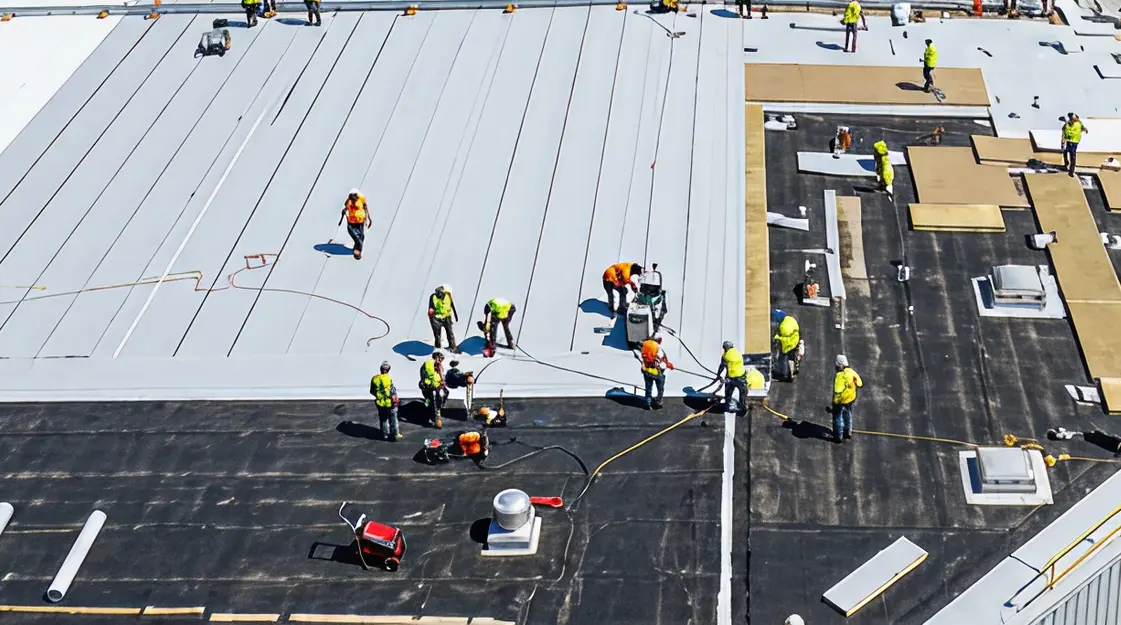
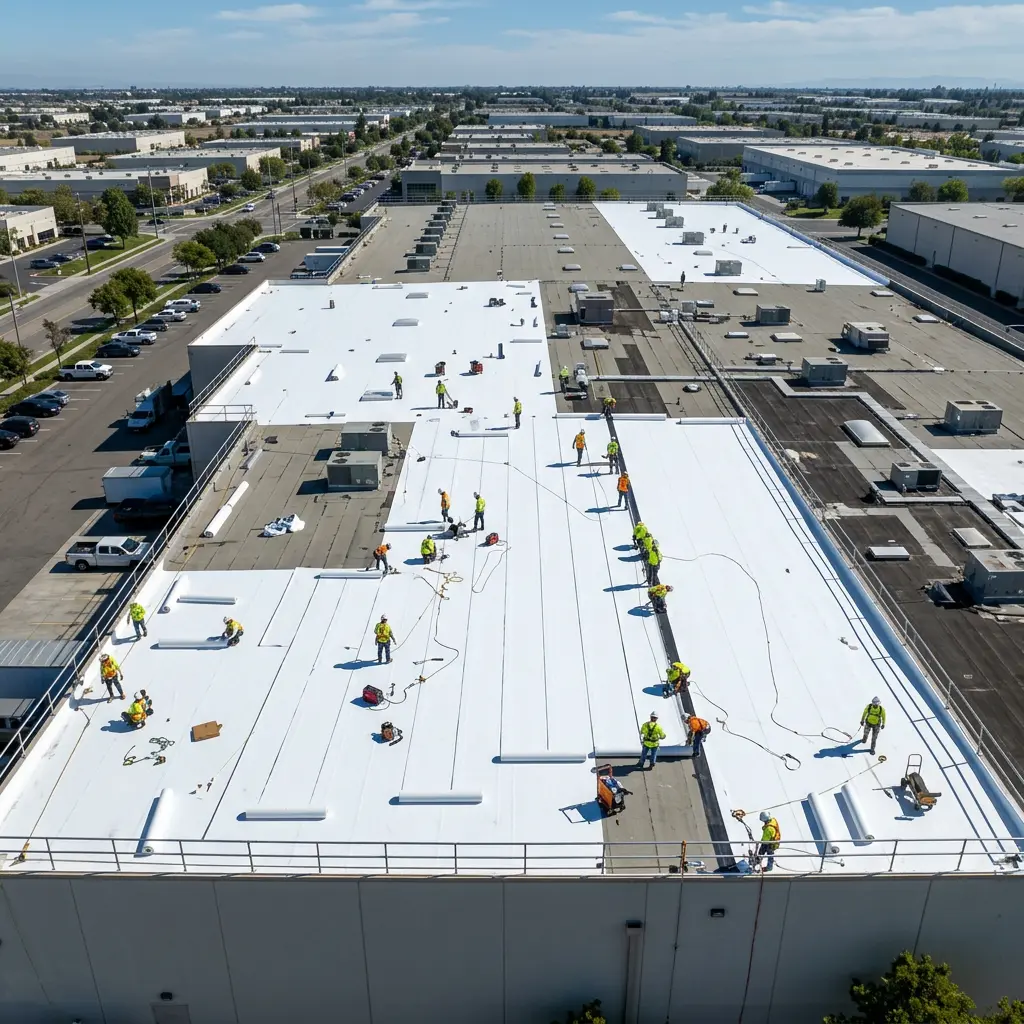
Using advanced materials and engineered application methods, restoration strengthens vulnerable areas, improves waterproofing, and enhances energy efficiency. In many cases, it allows property owners to avoid the expense, downtime, and waste associated with a full tear-off.
When properly evaluated and executed, restoration delivers long-term protection while preserving your existing structure.
.png)
Is Restoration right for your property?
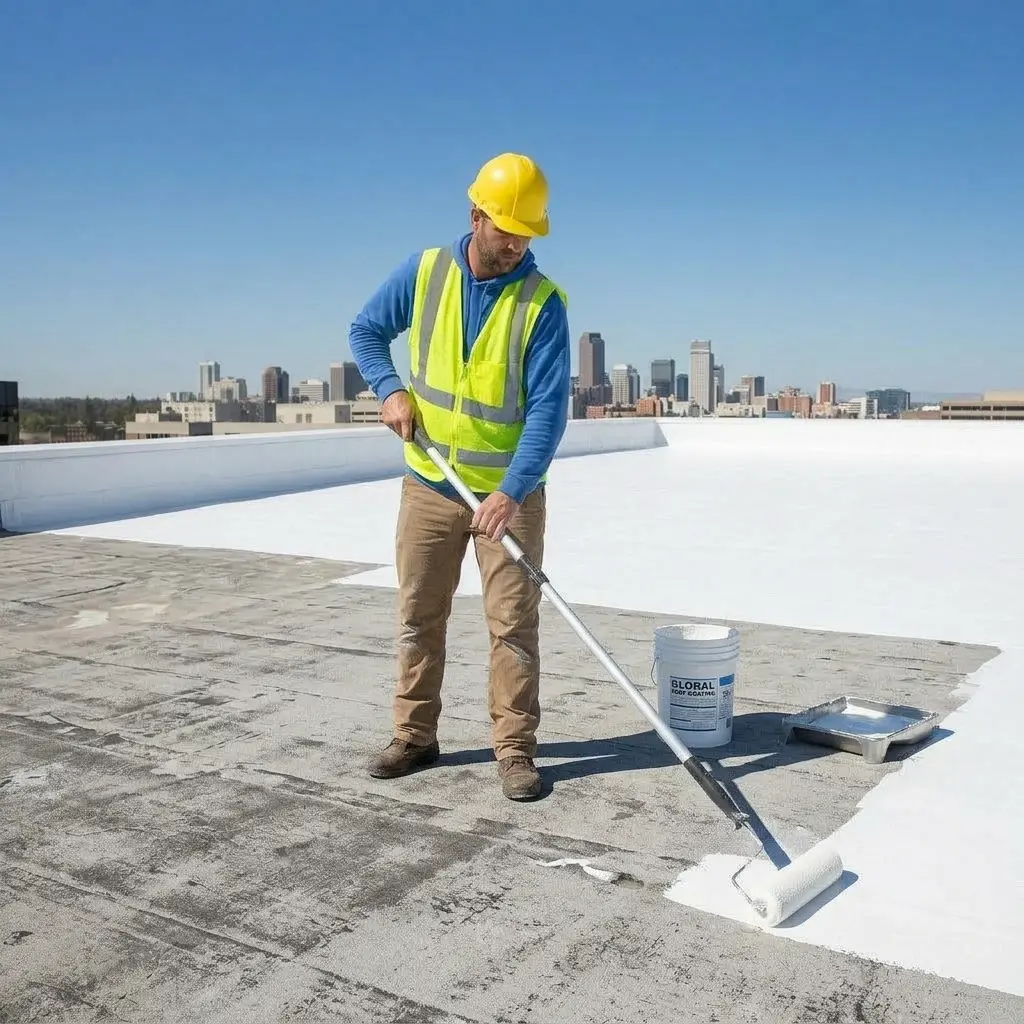
Restoration is often the ideal solution when a roof is structurally sound but showing signs of aging or wear. Instead of replacing the entire system, restoration focuses on reinforcing what still works while correcting what doesn’t.
-
The roof is aging but not structurally compromised
-
Energy performance improvements are a priority
-
You want to extend service life without full replacement costs
A professional assessment determines whether restoration is the right strategic move for your building.
Why Ongoing Maintenance Matters
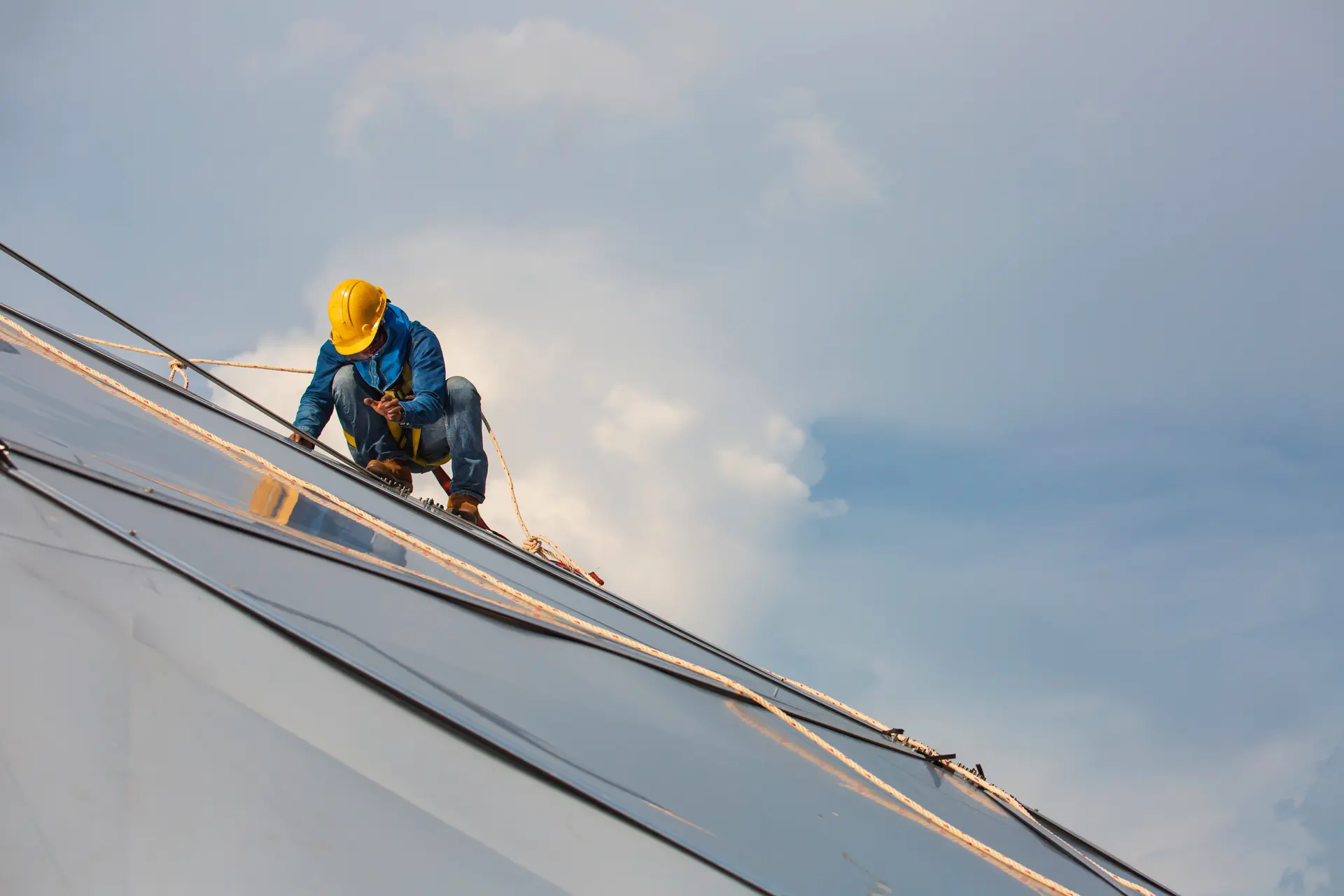
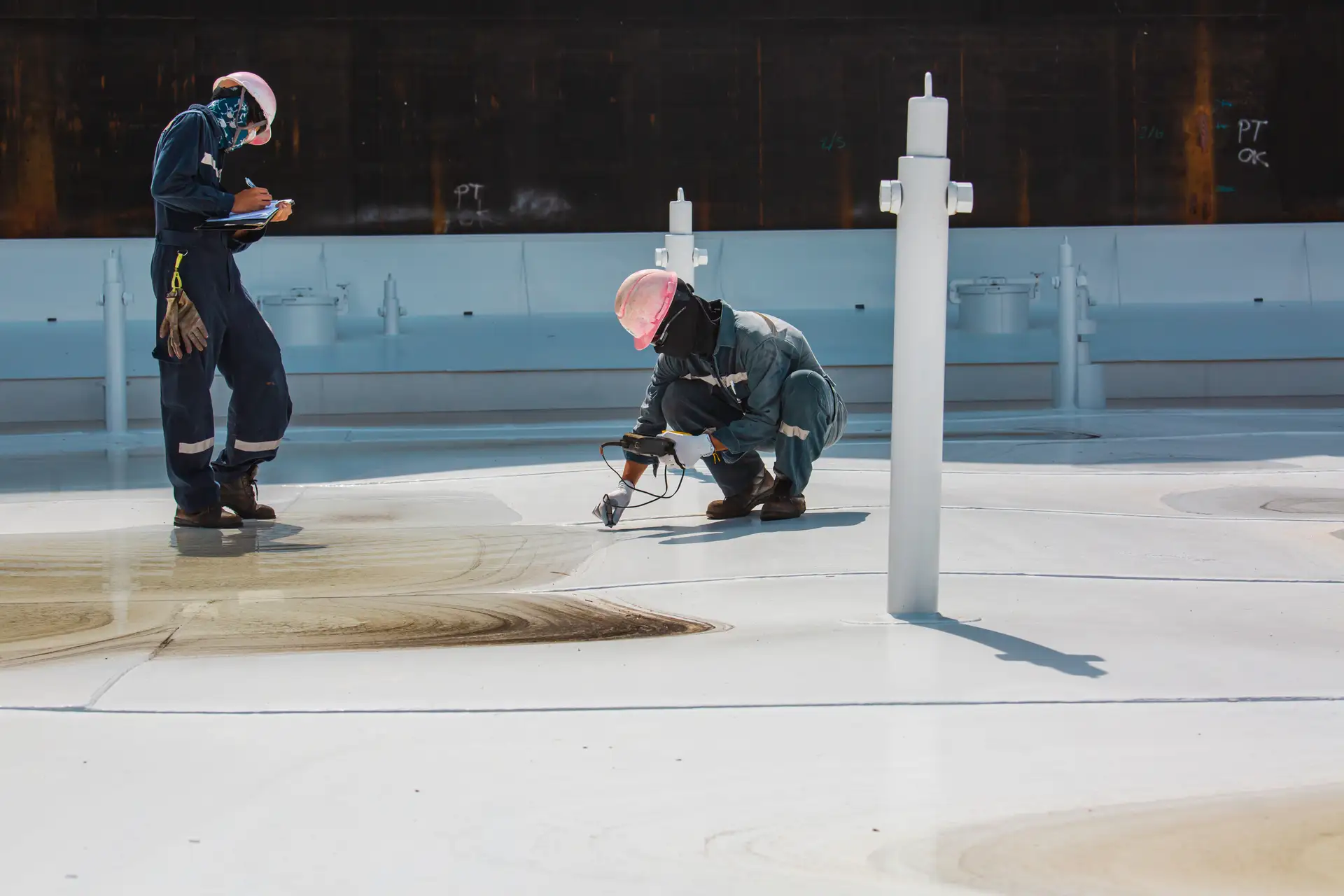
Restoration works best when paired with proactive maintenance. A structured maintenance plan protects your investment and maximizes the life of your restored system.
Extend Roof Life
Catches small issues before they become costly repairs or full replacements
01Protect Asset Value
Safeguards your building envelope and long-term property value
02Reduce Emergency Costs
Minimize unplanned repairs and the downtime that comes with them
03Lower Liability Exposure
Reduces risk from water intrusion, structural damage, and deferred maintenance
04
Solutions Tailored to Your Roof System
Roof Restoration FAQs
What is commercial roof restoration?
Restoration renews an existing roof with coatings, repairs, and reinforcement instead of a full tear-off — extending its service life 10–15+ years, often at a fraction of replacement cost and with minimal disruption to your tenants.
Is my roof a good candidate for restoration?
Roofs with sound decking and limited moisture saturation are often ideal. We evaluate membrane condition, moisture, and drainage during a documented assessment to tell you honestly whether restoration or replacement is the smarter investment.
Can roof coatings qualify for a manufacturer warranty?
Yes — many restoration and coating systems carry renewable manufacturer warranties. As a GAF and Carlisle certified contractor, we can install systems that qualify for extended NDL warranty coverage.
How much does roof restoration cost compared to replacement?
Restoration typically costs 30 to 60 percent less than a full tear-off and replacement, because it reuses the existing roof structure and avoids disposal and downtime. The exact savings depend on your roof's condition and the system used — a documented assessment gives you the real number.
How long does a restored commercial roof last?
A properly restored commercial roof generally adds 10 to 15 years of service life, and many coating systems are renewable — meaning you can recoat and extend again rather than replace. Longevity depends on the substrate, the system, and ongoing maintenance.
Is commercial roof restoration tax-deductible?
Often, yes. Because restoration is usually classified as repair or maintenance rather than a capital improvement, it may be deductible in the year it is performed, while a full replacement is typically capitalized and depreciated over decades. Confirm the treatment with your accountant.
Will restoration disrupt my tenants or building operations?
Very little. Restoration is applied over your existing roof with no tear-off, so there is no exposed deck, far less noise and debris, and your building stays occupied and operating throughout the project.
Does roof restoration improve energy efficiency?
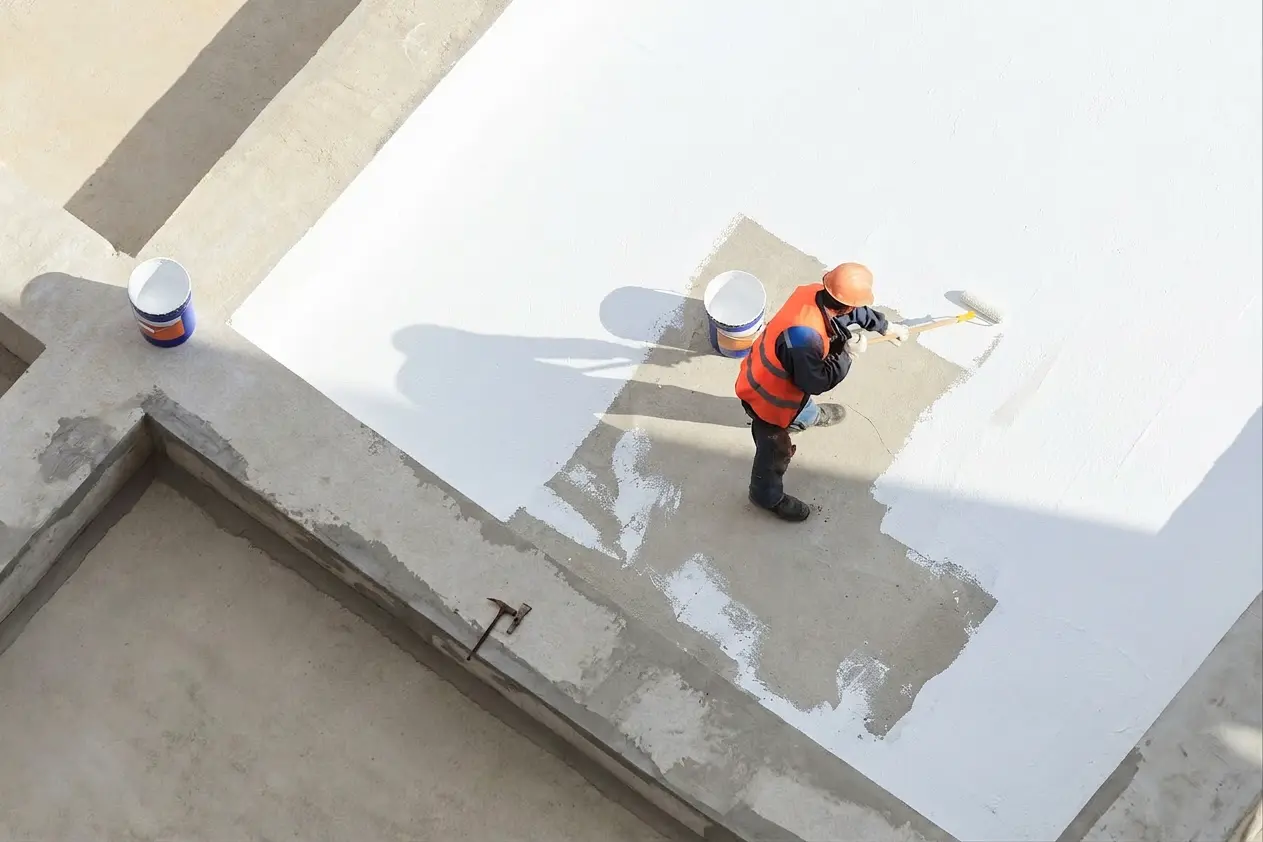
Yes. Reflective coatings lower rooftop temperatures and reduce cooling loads, which can cut energy costs on air-conditioned buildings and may qualify for cool-roof or energy incentives. We recommend a reflective system suited to your climate and roof type.
Serving Commercial Properties Nationwide