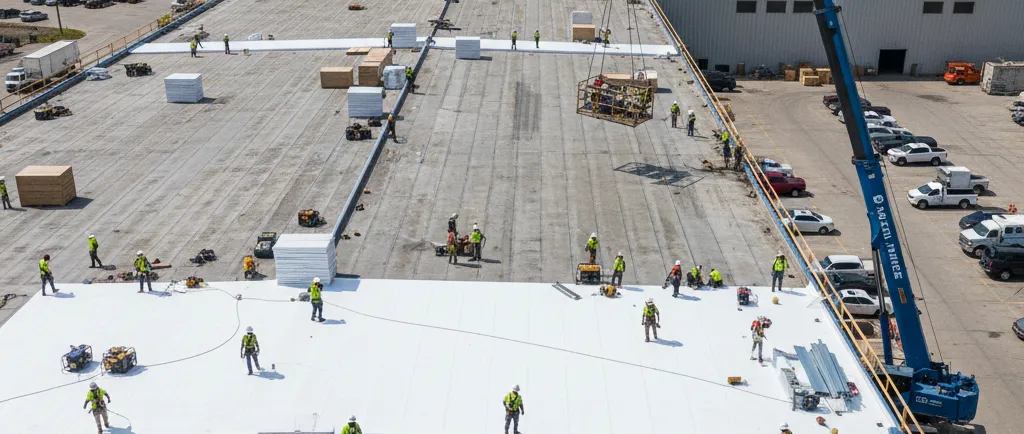
Stronger Performance Without Full Replacement
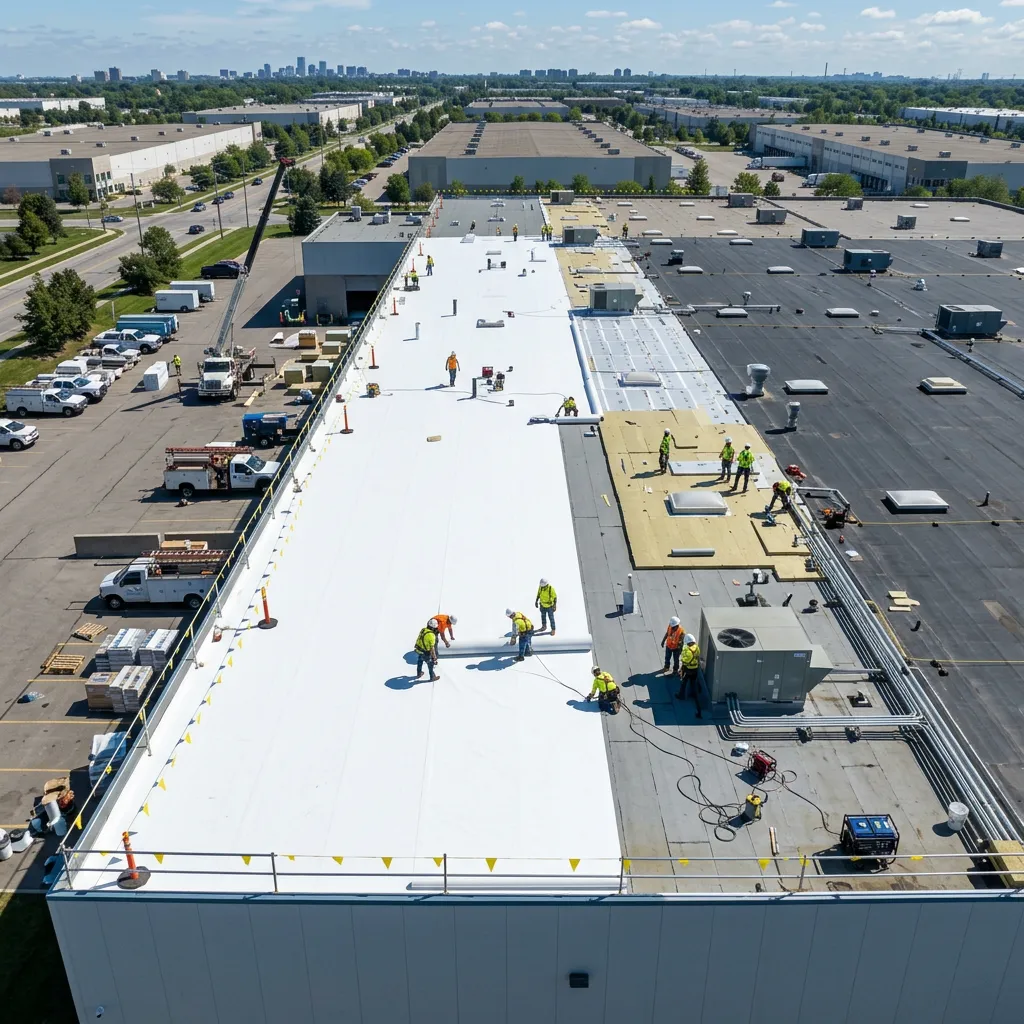
Designed for Buildings That Need an Upgrade
Retrofit systems are ideal for:
-
Aging metal roofs
-
Buildings facing updated wind or energy codes
-
Properties with recurring leak issues
-
Owners seeking long-term improvement without full removal
-
Facilities that cannot afford major operational downtime
If your structure is sound but the roof system is underperforming, retrofit may be the right solution.
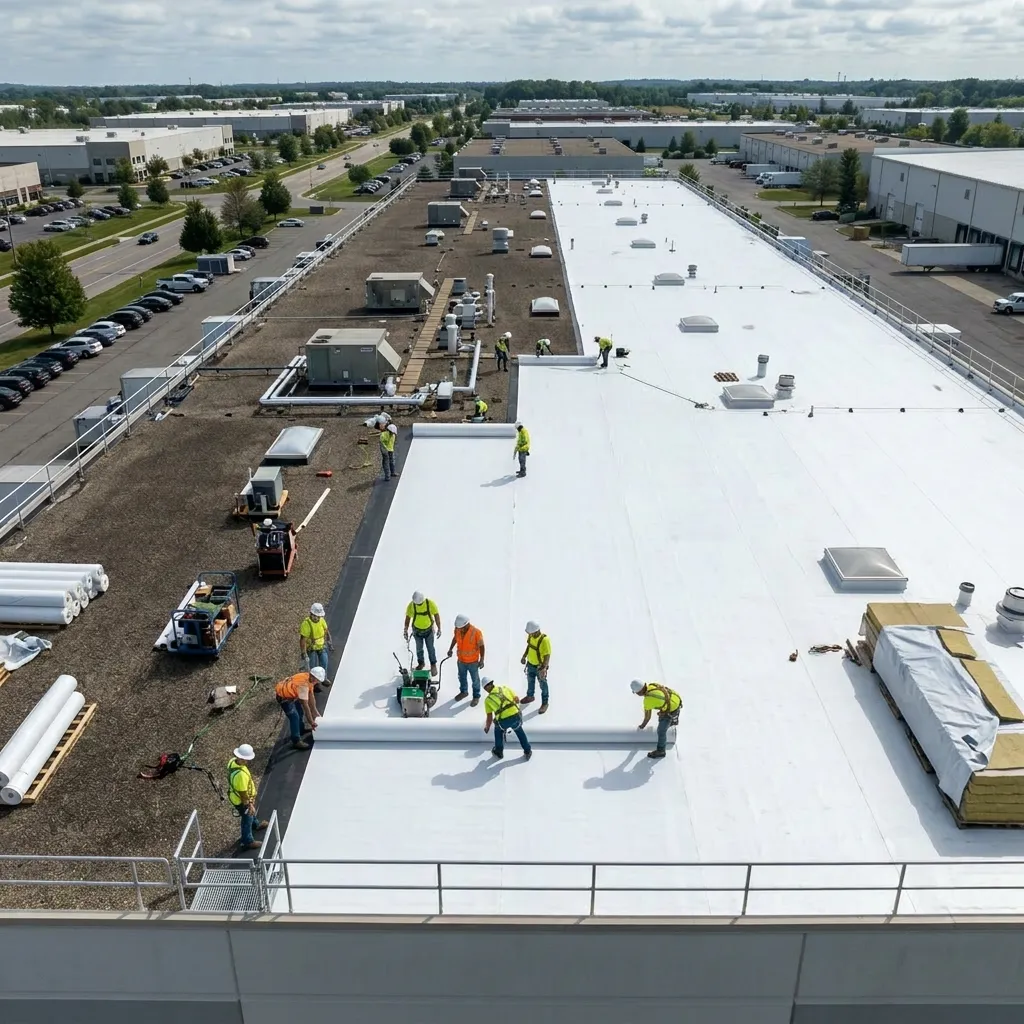
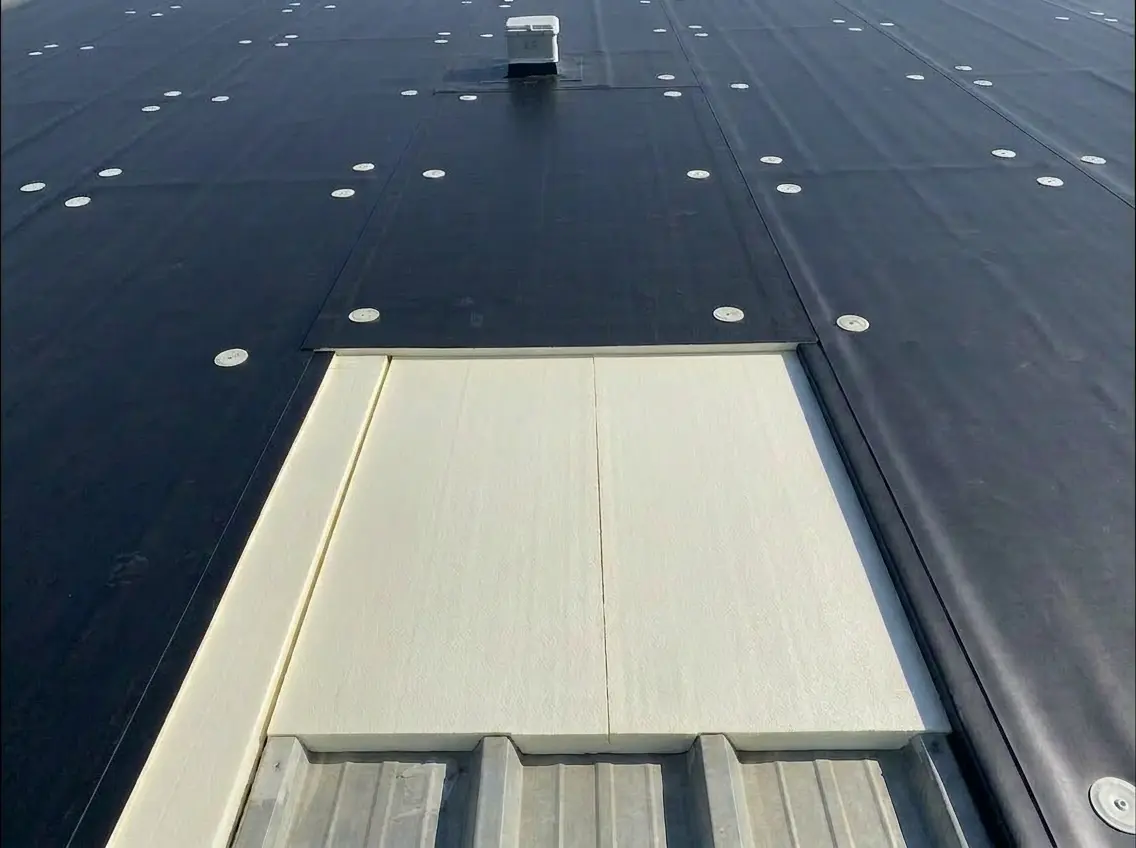
A New Roof Installed Over the Existing One
A retrofit system installs a new engineered roofing assembly over the current roof structure without removing the original system.
This approach strengthens performance, improves insulation or drainage when needed, and brings the roof into compliance with current codes, all while reducing tear-off costs and landfill waste.
Understanding the Difference
Full Replacement involves removing the entire existing system down to the deck before installing a new roof. Retrofit reinforces or overlays the existing structure when conditions allow, preserving portions of the assembly while upgrading performance. Retrofits typically reduce disruption, lower labor costs, and accelerate installation timelines. However, they require proper structural evaluation to confirm suitability. A professional assessment determines which path protects long-term value.
A Structured Restoration Approach
Execution quality and engineering alignment determine long-term performance.
Where Retrofits Perform Best
This service is ideal for industrial facilities, warehouses, and manufacturing buildings that require durable, high-performance protection. It also supports retail centers with metal roofing, institutional buildings, and large-span structures where structural integrity and long-term reliability are essential.
Retrofits are especially effective on metal roofing systems nearing the end of service life but still structurally stable.
Long-Term Performance with Manufacturer Support
When properly designed and installed, retrofit systems qualify for manufacturer-backed warranties. System lifespan varies by material and design, but retrofits often deliver decades of additional service life when paired with routine maintenance.
Frequently Asked Questions
In many cases, yes, particularly when tear-off costs and downtime are significant factors.
Engineering review confirms load capacity before installation.
No. Structural integrity and existing system condition must be evaluated first.
Properly engineered retrofit systems can address wind, energy, and compliance requirements.