
Extend Performance. Control Capital.
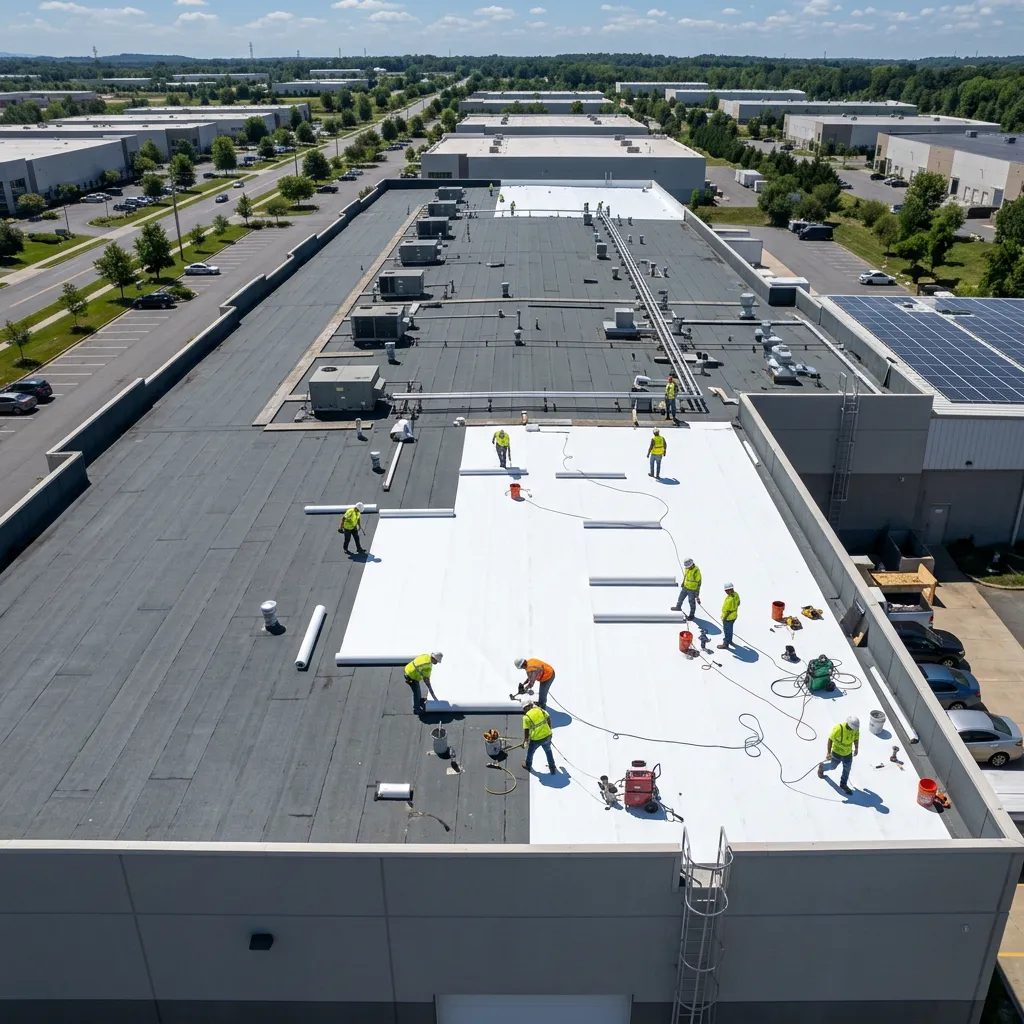
An Ideal Solution for Qualified Roofs
Overlay systems are ideal for:
-
Structurally sound roofs nearing end of service life
-
Buildings where tear-off would disrupt operations
-
Owners seeking lower upfront capital cost
-
Facilities with multiple existing roof layers
-
Projects requiring improved insulation or energy performance
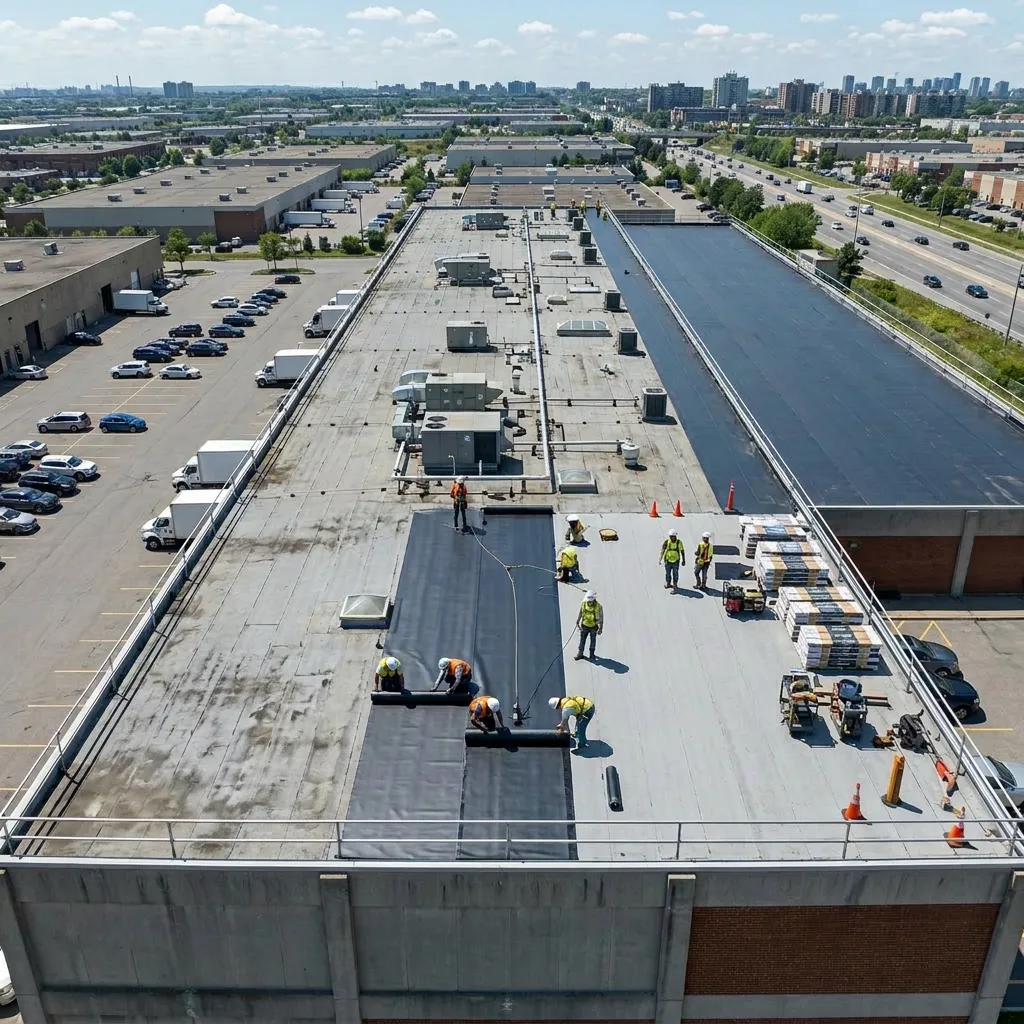
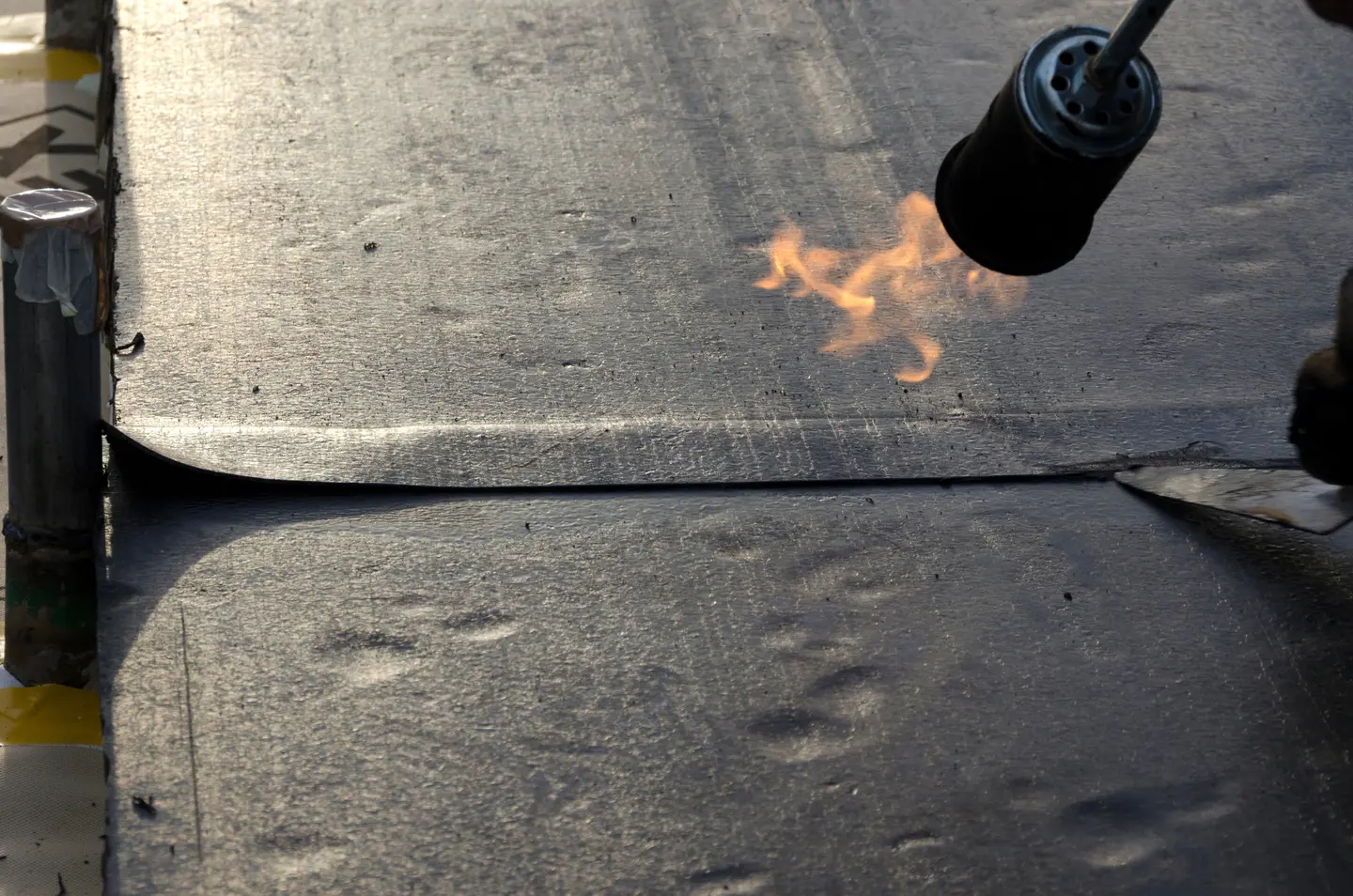
A Practical Restoration Strategy
An overlay system installs a new roofing assembly directly over the existing roof, provided the underlying structure is sound and moisture conditions are acceptable. Instead of removing the entire system down to the deck, we reinforce and upgrade the current assembly with a new membrane or system designed to meet modern performance standards.
A Structured Path to Restoration
Every overlay project follows a defined process built around your building's specific conditions.
Frequently Asked Questions
A roof overlay system installs a new roofing assembly over an existing roof when the underlying structure is sound. It reinforces performance and extends lifespan without requiring complete removal of the current system.
A full replacement removes the existing roofing system down to the deck. An overlay preserves the existing structure when possible and installs a new system over it, reducing disruption and cost when conditions allow.
A professional inspection is required to evaluate structural integrity, moisture levels, and load capacity. Overlays are only appropriate when the existing roof deck and insulation remain stable.
When properly engineered and installed, overlay systems can meet current building codes, including wind uplift and energy requirements. Structural review is completed before installation.
Lifespan depends on the system selected and ongoing maintenance, but many overlay systems provide 15–25 years of additional performance when properly installed.
In many cases, yes. Overlays reduce labor, disposal, and disruption costs. However, a full evaluation determines whether overlay or replacement is the better long-term solution.
.webp)