TPO

Ideal for energy efficiency and low-slope roofs.
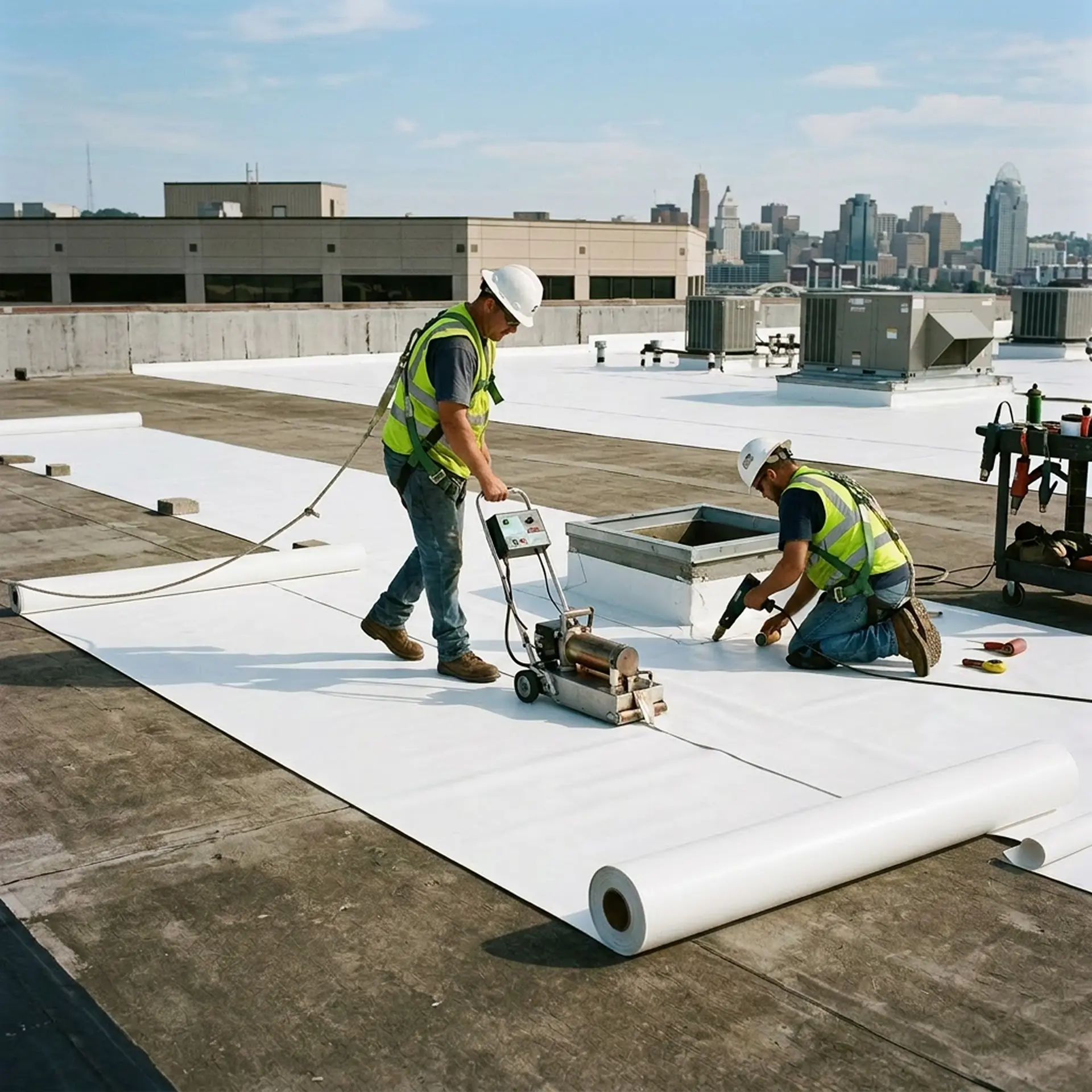
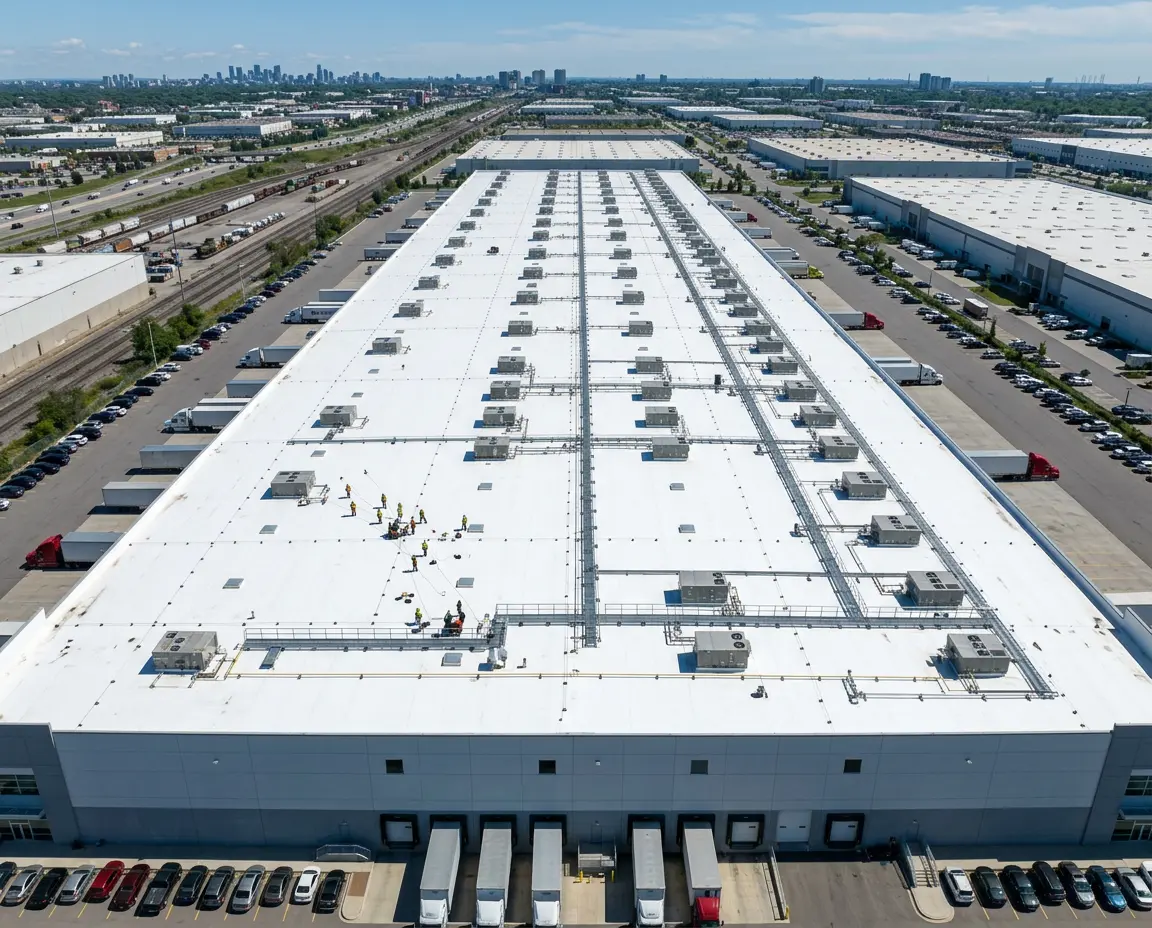
TPO (Thermoplastic Polyolefin) is an excellent choice for commercial and low-slope buildings that demand reliable waterproofing and energy efficiency. Its reflective surface helps reduce heat absorption, making it especially valuable in warm climates where cooling costs matter. Lightweight and durable, TPO performs well on large-span roofs such as warehouses, retail centers, office buildings, and multi-family properties, offering strong seam integrity and cost-effective long-term performance.
-
Large low-slope or flat roof areas
-
Properties focused on energy savings
-
Projects requiring fast, efficient installation
-
Buildings exposed to high UV conditions
When properly installed and maintained, TPO delivers reliable, long-term protection.
Durable. Efficient. Cost-Conscious.
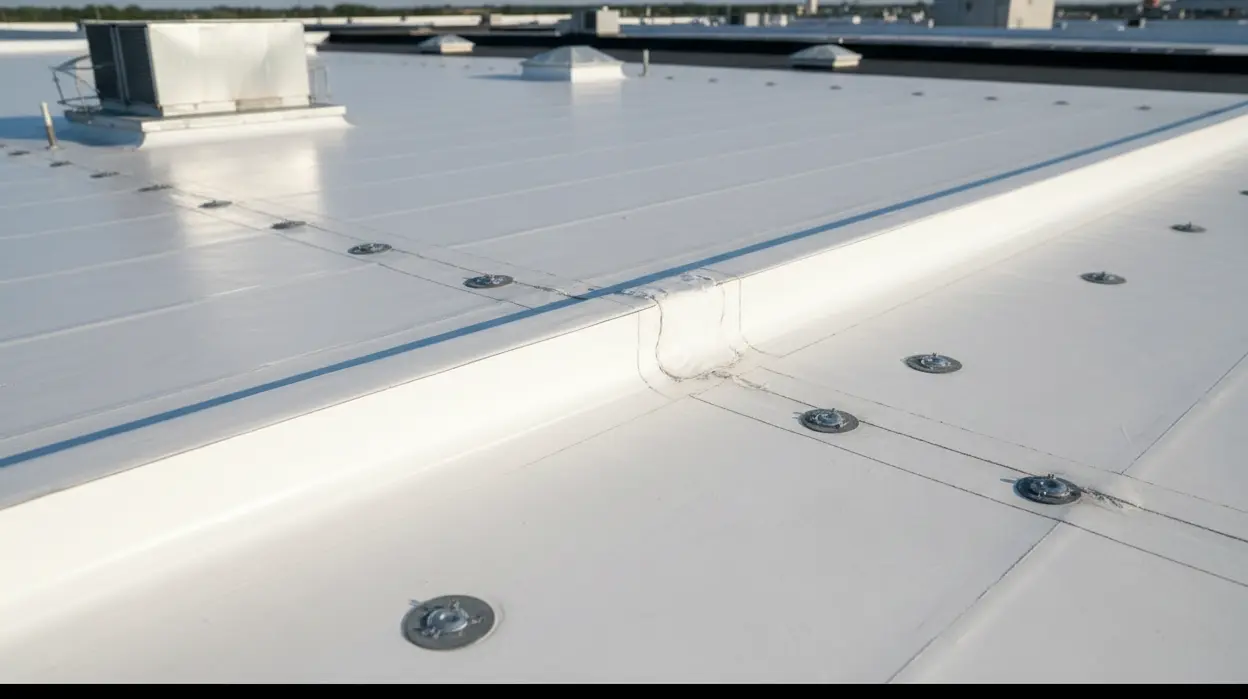
TPO membranes offer a strong balance of performance and value, making them one of the most popular single-ply systems in today’s market.
-
Reflective surface helps reduce heat absorption
-
Heat-welded seams create strong, watertight bonds
-
Lightweight system reduces structural load
-
Resistant to UV exposure and weathering
-
Cost-effective installation with long-term performance
Precision installation for long-term performance.
A structured, step-by-step approach designed to ensure watertight performance, strong seam integrity, and long-term reliability.
TPO (thermoplastic polyolefin) is a single-ply membrane roofing system commonly used on commercial flat roofs. It is heat-welded at the seams to create a watertight surface and is known for its reflective, energy-efficient properties.
A properly installed and maintained TPO roof typically lasts 20–30 years. Lifespan depends on membrane thickness, installation quality, climate conditions, and maintenance practices.
Yes. Most TPO membranes are white or light-colored, reflecting UV rays and reducing heat absorption. This can lower cooling costs in warmer climates.
Yes. Small punctures or seam issues can often be repaired. In some cases, restoration systems may extend performance if the insulation and substrate remain sound.
TPO Roofing FAQs
What is TPO roofing and why is it popular for commercial buildings?
TPO (thermoplastic polyolefin) is a single-ply membrane prized for its energy efficiency, heat-reflective white surface, and strong welded seams. It's a cost-effective choice for flat and low-slope commercial roofs across Texas.
How long does a TPO roof last?
A properly installed TPO roof typically lasts 20–30 years depending on membrane thickness, installation quality, and maintenance. We install manufacturer-certified TPO systems eligible for long-term warranties.
Is TPO better than EPDM or PVC?
Each has trade-offs — TPO balances cost and energy efficiency, PVC excels with chemical and grease exposure, and EPDM handles temperature swings well. We recommend the right membrane based on your building's use, exposure, and budget.
Serving Commercial Properties Nationwide